Flashing, Chimney & Valley Metal Leak Repair in Little Rock, AR
Flashing assemblies, masonry chimney transitions, and roof valleys represent the most vulnerable architectural intersections on residential and commercial buildings throughout Little Rock. Severe thunderstorm downpours, wind-driven rain, and seasonal thermal expansion place relentless stress on metal joints and mortar sealants. When step flashing corrodes or chimney crickets fail, rainwater pours directly behind wall cavities and rots structural timber rafters. Roof Expert USA routes Little Rock property owners to licensed independent roofing contractors specializing in precision flashing reconstruction and valley metal water sealing.
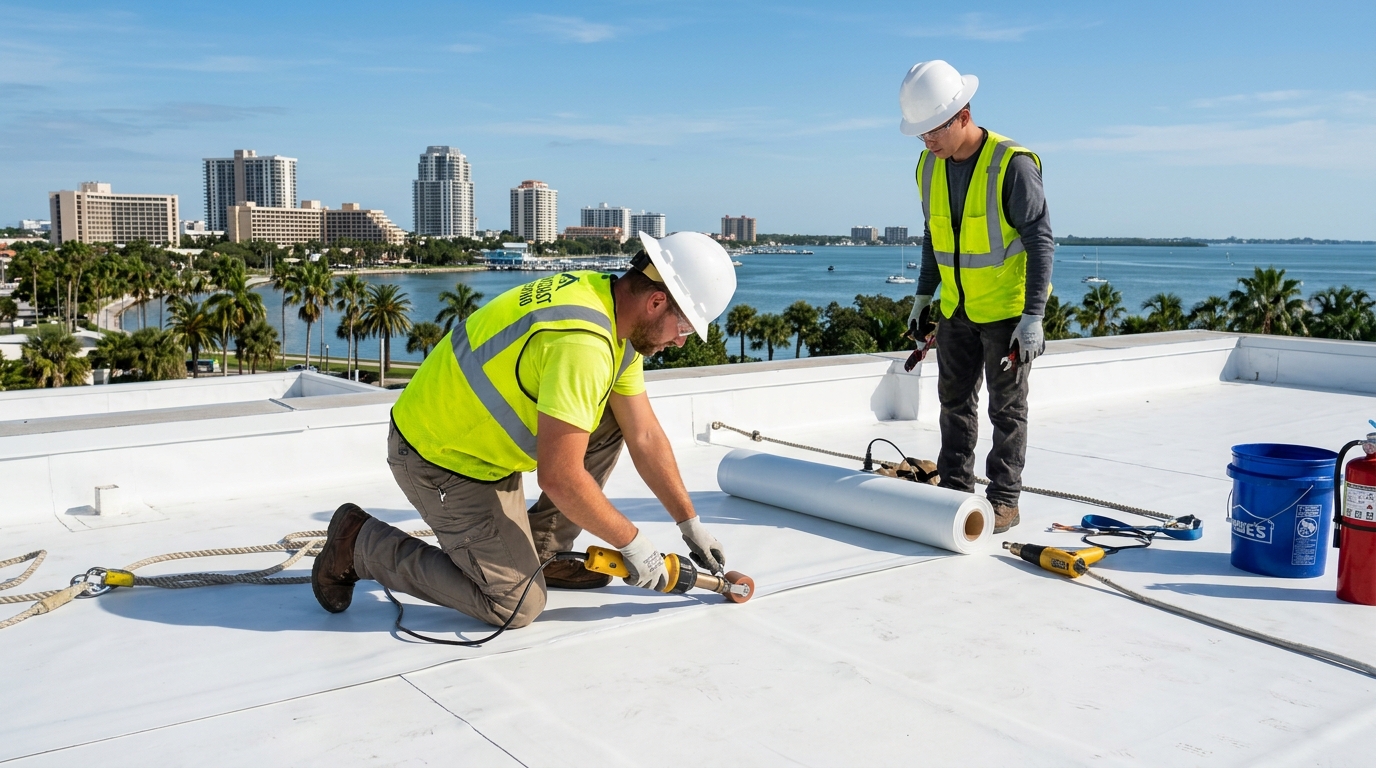
1. Little Rock Severe Storm Dynamics & Weather Exposure
Little Rock's humid subtropical climate features intense summer heat followed by severe thunderstorm cycles, producing substantial thermal expansion and contraction across dissimilar building materials. Brick masonry chimneys, wood framing, and metal flashings expand at dramatically different coefficients. Over time, rigid mortar counter-flashing reglets crack, traditional asphalt caulking dries out and splits, and metal valley liners corrode from standing leaf debris. During severe tornadic squalls and heavy downpours, high-velocity winds drive gallons of water sideways into unsealed joints, allowing water to bypass shingles entirely and saturate interior framing. Valley junctions also endure tremendous hydraulic concentrations where two converging roof planes funnel hundreds of gallons of water per minute across metal laps.
2. Non-Destructive Moisture Diagnostics & FLIR Thermal Tracing
Precision diagnostics are critical because flashing and chimney leaks rarely reveal themselves directly beneath the exterior entry point. Dispatched contractors utilize calibrated FLIR infrared thermal cameras to trace moisture trails behind chimney masonry, interior plaster, and attic firewalls. Electronic pinless moisture meters test roof decking surrounding chimneys, dormer sidewalls, and valley cant strips to verify substrate stability before repairs commence, ensuring that no concealed rot or wet insulation remains hidden within structural walls. Technicians also evaluate mortar joint deterioration and step flashing corrosion to ascertain whether underlying wood framing has suffered dry rot.
Key Technical Engineering & Repair Protocols
- Custom 26-Gauge Galvanized Steel and Soldered Copper Step & Counter-Flashing.
- Engineered Chimney Cricket Construction Diverting Runoff Around Masonry.
- W-Valley Metal Installation Lined with Self-Adhering SBS Waterproofing.
- Independent Arkansas Contractors Licensed with Arkansas Contractors Licensing Board.
3. Step-by-Step Substrate Restoration & Weatherproofing Methodology
Substrate reconstruction involves completely stripping away failed caulking, rotted wood, and rusted metal down to sound framing. Technicians install custom-fabricated 26-gauge galvanized steel or soldered copper step flashing, counter-flashing, and chimney crickets designed to shed water smoothly around wide masonry chimneys. In roof valleys, crews install wide W-metal valley liners over continuous runs of self-adhering SBS modified bitumen ice-and-water shield underlayment, sealing all overlaps with industrial-grade polyurethane adhesives that maintain flexibility across extreme temperature swings. All chimney counter-flashings are ground into mortar joints and secured with lead expansion wedges before applying high-performance non-sag polyurethane sealants.
4. Arkansas Building Code Compliance & Contractor Licensing
All flashing reconstruction and masonry sealing complies with the Arkansas Fire Prevention Code (IRC Chapter 9 / IBC Chapter 15) and local Pulaski County building regulations. Dispatched independent contractors hold active licenses with the Arkansas Contractors Licensing Board under commercial or residential roofing classifications. All repairs are executed using OSHA-compliant ladder safety and fall protection equipment, ensuring durable, code-compliant craftsmanship on every project.
5. Preventative Property Maintenance & Severe Storm Preparedness
Property owners in Little Rock should visually inspect chimney shoulders, dormer sidewalls, and valley metal each spring and autumn. Clearing oak leaves and pine needles from valley channels prevents organic acid corrosion and hydraulic damming during heavy rainfall. Promptly sealing minor mortar hairline fractures with flexible elastomeric compounds preserves chimney structural integrity and prevents costly interior plaster damage when seasonal severe thunderstorms strike. Annual professional flashing inspections safeguard historical masonry and contemporary residential framing alike.
Frequently Asked Questions
Why do chimneys leak so frequently during Little Rock thunderstorms?
Brick chimneys absorb water, and different expansion rates between masonry and roof framing tear sealants. High-wind rains force water behind cracked counter-flashing into interior ceiling joists.
What is a chimney cricket and why is it necessary?
A chimney cricket is an angled, ridge-shaped transition built behind a chimney on the high side of a sloped roof that diverts heavy water runoff away from the masonry wall, preventing pooling.
Can leaking valley flashing be repaired without replacing the whole roof?
Yes. Technicians can carefully remove adjoining shingles, install new self-adhering waterproofing membrane and heavy 26-gauge valley metal, and interlock replacement shingles without full roof replacement.
Speak Directly with a Little Rock Dispatch Specialist
Zero web forms, zero digital delay. Direct telephone connection to on-call independent Arkansas contractors.
DISPATCH HOTLINE: (888) 208-4155